Find Climate Controlled Storage Near You

Do you have valuable items you need to store? If so, it’s important to know they’ll be not only safe and secure, but also protected from environmental conditions. Items like jewelry, electronics and furniture can be highly sensitive to temperature and humidity, and even brief fluctuations over a few days may cause lasting damage.
Whether you’re looking for peace of mind with a climate-controlled unit or have belongings that require a specific temperature range, there are plenty of options available.
In the sections below, we’ll explain what climate-controlled storage is, help you determine if you truly need it, and address some of the most common questions about this type of storage.
What is a Climate Controlled Storage Unit?
A climate-controlled storage unit is designed to regulate temperature, typically maintaining a range between 55 and 85 degrees Fahrenheit. Because each facility may set and adjust its temperatures differently, it’s important to ask about their average range to ensure your belongings will be properly protected. Many climate-controlled units are located indoors, and in some facilities, they also include humidity control for added peace of mind.
These units are especially useful for items sensitive to environmental changes, such as wood furniture, electronics, artwork, or important documents. While non-climate-controlled units can safely store most items when the weather remains consistent, it’s important to consider your local climate. In regions with extreme heat, cold, or humidity swings, your belongings may be at greater risk of damage without added regulation.
The key difference is simple: climate-controlled units maintain stable temperature and humidity, while standard storage units do not.
Do I Need a Climate Controlled Unit?
If you’re trying to decide whether a climate-controlled storage unit is right for you, start by asking yourself three key questions:

Where will you be storing your items?
If you’ll be storing belongings in an area with extreme heat, cold, or humidity, choosing a climate-controlled unit is highly recommended. As a general guideline, if you don’t want your items exposed to temperatures above 90°F or below 32°F, climate control is the safer option.
High temperatures can warp or melt CDs and DVDs and cause wooden furniture to crack, split, or lose its finish. On the other hand, freezing conditions can weaken certain materials. When temperatures rise again, condensation may form, leading to moisture buildup that can cause mold, mildew, and other damage to paper, clothing, and fabrics.
Humidity is another major concern. Excess moisture creates the perfect environment for bacteria, mold, mildew, and even pests—putting many stored items at risk.

What types of items will you store?
While many belongings do fine in a standard storage unit, some require climate control to prevent damage. Common examples include:
- Metal
- Paper
- Wood
- Electronics
- Media
- Fabric
- Wine

How long will you be storing your items?
The length of storage also matters. If you’re storing items for just a month or two, a traditional unit is usually sufficient. However, for long-term storage, climate control becomes much more important.
You should strongly consider climate control if:
- Your belongings are valuable or hold significant sentimental value.
- You need to store items year-round, such as seasonal decorations or clothing.
- You’re unsure how long your items will remain in storage.
Types of Items That NEED Climate Control
When you have more belongings than space, a self-storage unit can be the perfect solution. If you’re not ready to part with certain items, storage allows you to keep them safe until you need them again.
One important decision when choosing a unit is whether or not to opt for climate control. Some items absolutely require a regulated environment, and without it, they may be damaged or ruined.
Below, we’ll review seven of the most common items that need climate-controlled storage.

Leather Furniture
Leather furniture is sensitive to both hot and cold weather and if you live where there are great fluctuations in the weather, you need a climate-controlled unit.
Since leather furniture is expensive, you want to protect it as best as possible. Even a small amount of moisture can cause serious mold problems and ruin your leather.

Household Appliances
While your household appliances are durable, they cannot be stored in a traditional unit as they can succumb to humidity and moisture. If you do not keep your appliances in a climate-controlled unit, they may rust or stop working.
Some of the most common household appliances to store in a climate-controlled area include ovens, washers, stoves, dryers, and refrigerators.

Electronics
Electronics are sensitive to any type of moisture or humidity and when extreme heat occurs, the electronics can become ruined. You should always store your electronics in a climate-controlled unit. Some of the most popular electronics include computers, laptops, TVs, tablets, DVD players, and similar.

Photos
Not only are your photos keepsakes, you want to cherish them for years to come and even pass them down to your children and their children. Extreme humidity and temperatures can cause the photo paper to shrivel or become damaged. When this happens, the photo can be ruined quickly.
It is a good idea for you to store photos in a climate-controlled unit and make sure they are placed in a proper binder or photo storage book to keep them from sticking or bending.

Clothing
Whether you plan to store seasonal clothes, clothes that no longer fit, or clothes for additional family members in the future, you want to protect them. Clothing can become damaged and mildewed when moisture gathers on the fabric and this is often caused due to temperature. To ensure your clothes remain in perfect condition, you should store them in a climate-controlled unit.
Musical Instruments
Large and small musical instruments need to be stored properly and temperature control is a big deal when it comes to them. Whether you want to store a piano, trumpet, or violin, you need to make sure that the instrument does not face humidity, heat, or cold.

Wood Furniture
Wood furniture is extremely sensitive to any type of temperature fluctuation or moisture. In fact, if you do not take care of wood furniture, it will split, crack, warp, and even rot. Keeping your wood furniture stored in a climate-controlled unit will help keep it safe and free from any moisture or humidity.
Items That Do Not Require Climate Control
While certain belongings are sensitive to heat, cold, or humidity, many everyday items can be safely stored in a standard unit. These items are durable, weather-resistant, or made from materials that won’t be harmed by mild environmental fluctuations.

Outdoor and Yard Equipment
Lawnmowers, snow blowers, rakes, and other outdoor tools are designed to handle varying conditions. Since they’re built for outdoor use, they remain safe in non-climate-controlled storage.

Metal, Plastic, and Synthetic Items
Patio furniture, bicycles, workout equipment, and plastic storage containers do not absorb moisture and are generally unaffected by temperature swings. Artificial plants also fall into this category since they are made of synthetic materials that don’t mold or warp.

Toys and Recreational Items
Most toys, sports gear, and hobby items made from durable plastic, rubber, or metal can withstand changing weather without damage. Board games and puzzles in sealed boxes are also fine if kept dry and off the floor.

Non-Perishable and Canned Food
Canned goods, sealed jars, and other shelf-stable foods are designed to last without refrigeration. As long as they remain sealed and aren’t exposed to direct sunlight for extended periods, they do not require climate control.

Household Goods Without Sensitivity
Items like dishes, cookware, glassware, and simple home décor pieces are not affected by humidity or temperature fluctuations, making them safe to store in a standard unit.

Vehicles and Large Equipment
Cars, motorcycles, bicycles, and other recreational equipment are built to handle outdoor conditions, so a basic storage unit provides more than enough protection.
Recommended Storage Temperatures for Common Items
Now that you know which belongings require climate control, it’s important to understand the best temperature and humidity ranges for specific items. Climate-controlled units are generally kept between 55 and 85°F, which is safe for most possessions. However, some items benefit from more precise conditions. If you have belongings that require stricter control, look for a facility that can accommodate these needs:
Electronics
Electronics are best stored between 50 and 80°F with a relative humidity of 30–60% to prevent corrosion and static damage.
Musical Instruments & Wood Furniture
Keep between 55 and 85°F with 30–50% humidity to avoid cracking, warping, or swelling.
Metal Items
Store between 35 and 75°F with 35–55% humidity to reduce the risk of rust or corrosion.
Household Appliances
Safest between 50 and 80°F with 30–60% humidity to protect wiring, seals, and interior components.
Sizes of Climate Controlled Units
It is important to pay attention to the size of the climate-controlled unit you choose. For starters, not all unit sizes are available in a climate control option. This is because the larger units such as a 10x20, 10x25, and 10x30 are just too big to be an interior unit.
It is possible for you to find 10x20 unit sizes inside of a facility and climate controlled, but it may take you some additional hunting. Below, we will go over some of the most common sizes that are offered with a climate control option and what they can hold inside of them.
5x5 Unit
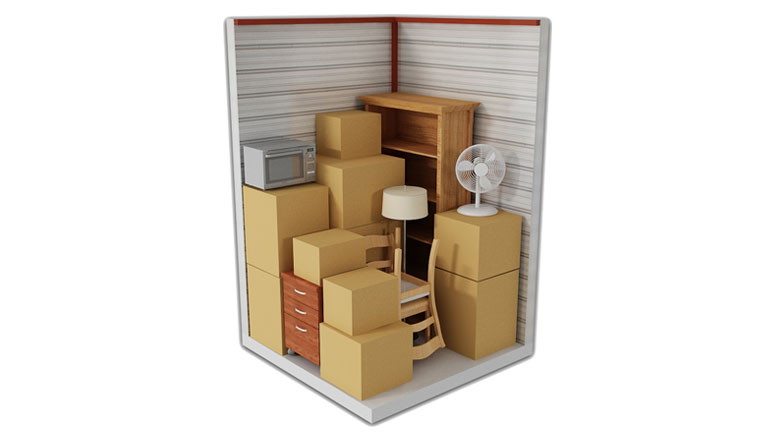
A 5x5 unit is the smallest unit that is offered at a storage facility and you often have the choice of it being climate controlled. This unit is equivalent to the size of a small closet and does not hold a lot, so it is ideal for individuals who do not need to store much.
You can fit multiple items within this unit such as a washer/dyer stacked combo, a few small appliances, and some boxes or filing cabinets.
5x10 Unit
A 5x10 unit is the next step up from the 5x5 unit option and is available at all storage facilities. This type of unit does come in a climate control option and is equivalent to the size of a larger walk-in closet.
You can fit quite a few items within this unit such as a small one-bedroom or studio apartment, coffee tables, a small couch, seasonal items, boxes, and some lamps.
5x15 Unit
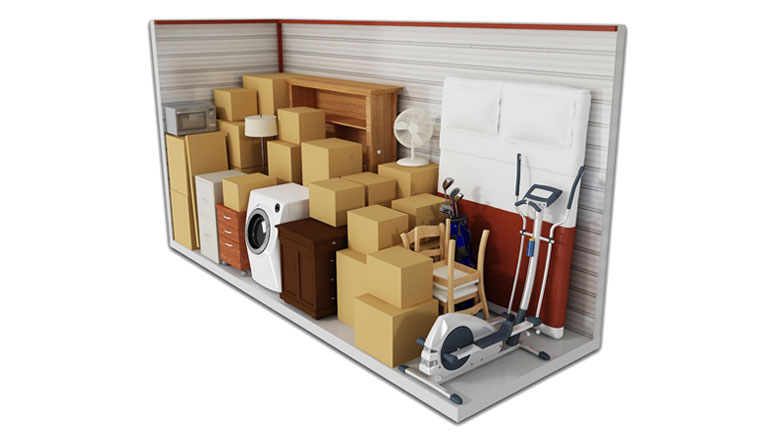
A 5x15 unit is not always available at all storage facilities but if it is, it likely comes with a climate control option. This type of unit is longer than it is wide, so it is quite narrow. You can store roughly a one-bedroom apartment or one-bedroom small home inside.
Some of the items you can fit include ladders, dressers, mirrors, mattresses, box springs, filing cabinets, and boxes.
10x10 Unit
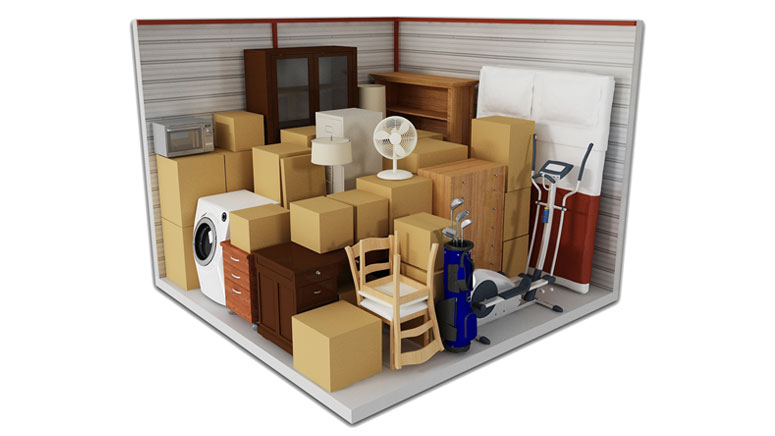
A 10x10 unit is quite larger than the other units as it is much wider. Most storage facilities will offer this size unit in both a climate and non-climate-controlled option. You can expect this size unit to hold a small bedroom or a one to two-bedroom apartment inside.
Some of the items that you can fit inside include a dining room table set with chairs, two-bedroom sets, mattresses, bookcases, filing cabinets, small appliances, and boxes of items.
10x15 Unit
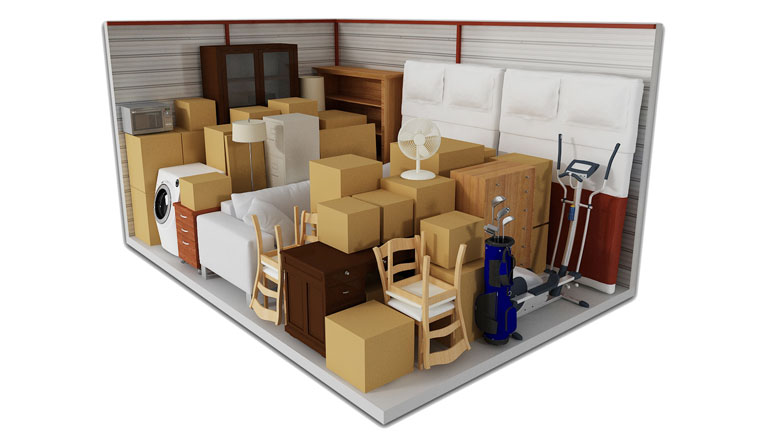
A 10x15 unit is likely the largest sized unit you will find that is climate controlled. This unit can hold roughly a two-bedroom home. Some of the items that you can fit inside this unit include yard equipment, tools and toolboxes, bedroom sets, dining room furniture, patio set, living room furniture, chairs, and computer desks.
Top 8 Benefits of a Climate-Controlled Storage Unit
While it may be a bit more difficult to find a climate-controlled storage unit and it may cost you more, there are many benefits to them.
The cost to store your items properly is less than that to replace them should they become damaged.
You do not have to worry about corrosion, pests, or temperature damage that can occur in traditional units.
All wood furniture and décor are protected within the unit as it will not be exposed to moisture or extreme heat and cold.
You can find storage facilities that create the perfect temperature atmosphere for your items.
Extra protection from vandalism, theft, and flood damage when a storm occurs.
More privacy than if your items were stored in a traditional unit where it tends to be busier due to drive-up access.
Clean and secure area for your items.
Less dirt and dust as opposed to a traditional outdoor unit where it may be stirred up from other people driving and moving items.
Frequently Asked RV Storage Questions
Below, you will find some of the most commonly asked and answered questions about RV storage.
Do all storage facilities offer climate-controlled units, and do they come in all sizes?
Not every storage facility offers climate-controlled units. Some only provide standard and outdoor units. Even if a facility does have climate-controlled options, not all sizes may be available. In most cases, the largest units with climate control are 10x10 or 10x15, though some facilities may offer a 10x20.
Will a climate-controlled unit cost more than a standard unit?
Yes. Climate-controlled units are more expensive because facilities must cover the cost of regulating temperature and humidity. In smaller cities, you can expect to pay about 20–30% more, while in high-demand areas or major cities, the price difference may be 50–70% or more.
Can I control the climate in my own unit?
No. The temperature in climate-controlled units is managed centrally by the facility. Only the property manager or staff can adjust the settings.
Is a climate-controlled unit always necessary?
Not always. Climate-controlled storage is recommended if you’re storing valuables, sentimental items, or belongings sensitive to temperature and humidity. However, if your items aren’t sensitive and you only plan to store them for a month or less, a standard unit is usually sufficient.
What temperature do storage facilities maintain in climate-controlled units?
Most facilities keep their climate-controlled units between 55°F and 85°F, which is considered safe for most items.
How do I find a climate-controlled storage unit near me?
Finding storage is easier today than ever before. With StorageArea.com, you can quickly search and locate a nearby facility in just seconds.
As you review available units, think about whether you truly need climate control. Belongings that are sensitive to heat, cold, or humidity should always be placed in a climate-controlled unit—unless you only need short-term storage of a month or less.
Once you’ve made your choice, simply book a free reservation, visit the facility, and move your items in. It’s that simple.